
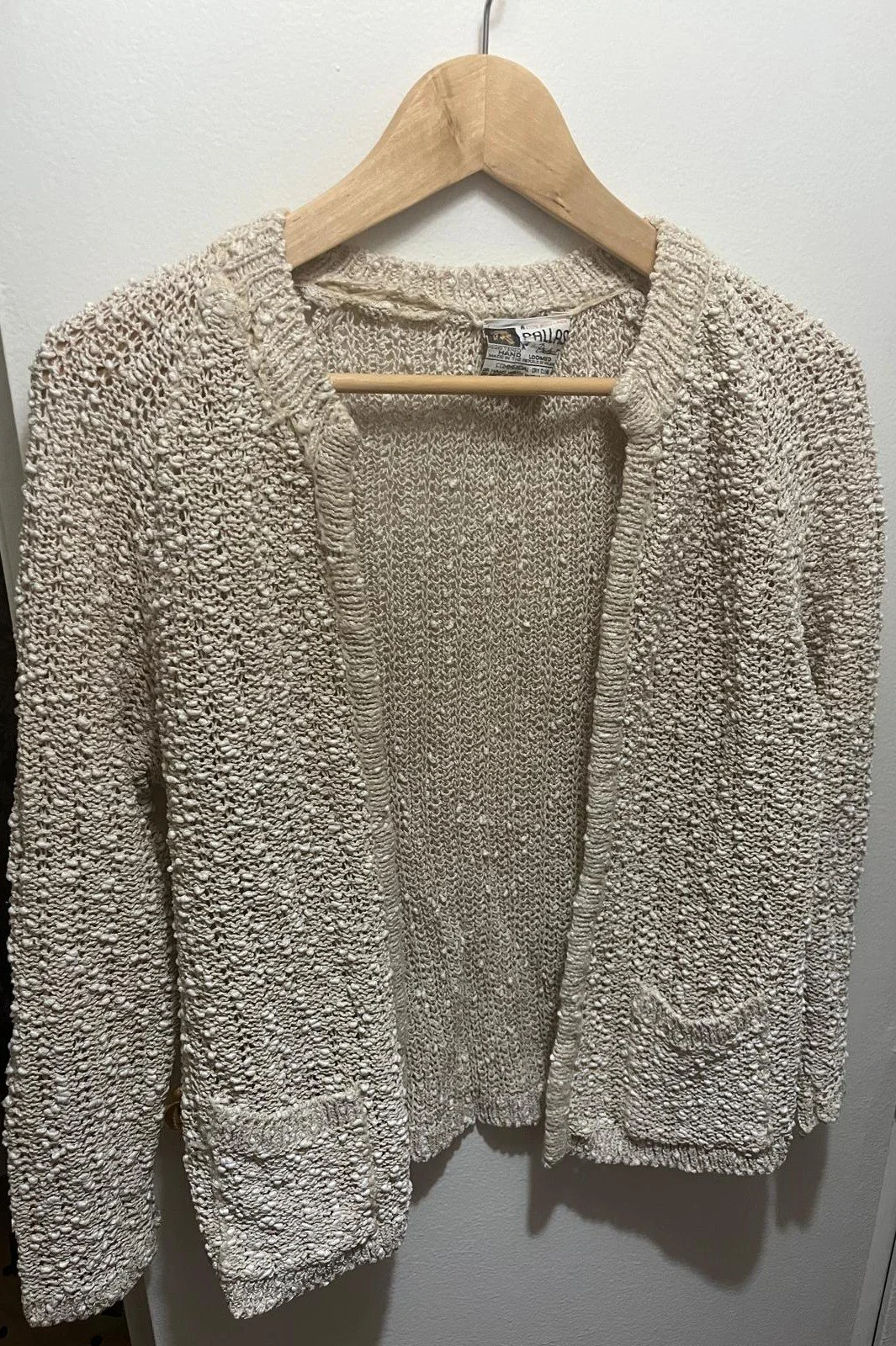
It doesn’t fit … but it’s sentimental!
One of the aspects of living in Europe that really appeals to me is a sense of history. I love wandering down well-worn cobblestone streets, looking up at centuries-old buildings with graceful facades that continue to function as homes, museums, offices or public spaces. I love visiting vestiges of Roman times – amphitheatres, arenas, stone bridges, thermal bathhouses... I love driving by old stone farmhouses, some in aesthetically pleasing states of disrepair, set off in picturesque fields; scenes that could be from two centuries ago. I love certain customs that have continued from ages past, a through-line to rich, identity-laden histories. As someone who grew up in the US, which just celebrated its relatively youthful 250th birthday, living in Europe gives me a great appreciation for truly ‘old’ things. They may not be efficient, practical, or even easily understood; their value lies in the way they make the past feel more present, in a way that feels comforting and gives a sense of continuity.
At the same time, I’ve been musing on when ‘old’ = worthy of reverence and when old is just ... old. For example, certain French ‘delicacies’ – escargot (snails) and frogs legs come to mind – originated long ago as food for the poor and working class as cheap and easily accessible sources of protein, then got elevated to haute cuisine. Which, in my view, means they become simply the excuse for a melted herby butter sauce whose main purpose is as a dip for bread. Does it still really make sense to ‘grow’ snails and frogs in industrial aquaculture farms, just so they can be killed and distributed to markets and eventually end up as ... vehicles for herby butter, artfully disguised as classic (read: old) French delectables?
Or, in a timelier case, a large number of French lycées (high schools) are housed in buildings designed and built more than a century ago, for conditions and cultural expectations that made sense then: walled courtyards, a single controlled entrance, long hallways, lecture-style classrooms, tall single-glazed windows. These have been hard to retrofit for modern pedagogy and current climate realities. These buildings reward silence, order, and passing through, with few places to ‘linger’ or cluster for learning or social purposes. Further, they were designed for a climate that no longer exists. Many are frigid in the winter and sweltering in the warmer months – hardly conducive conditions for learning. And yet, the French government has essentially decided that they are ‘good enough,’ that what’s old can continue to serve. They have chosen not to invest in school spaces that make learning and belonging possible, even though we now know what those spaces require. This was one catalyst (among many) for the student demonstrations that have now turned into violent riots in this country.
What do these observations about the relative merits of history and age have to do with school leadership?
Here are a few areas where discernment may be warranted:
· Recognizing whether a school custom or practice is worthy of perpetuating simply because ‘we’ve always done it this way,’ without evaluating whether that custom still serves the current community/ culture.
· Making the hard decision to counsel an underperforming faculty member toward the exit, even though they have been a school ‘institution’ for 20+ years and feels this longevity is an entitlement to remain there.
· Determining whether a candidate for your school’s open leadership role whose key qualification is that they are a ‘seasoned leader’ deserves to be favored over the candidate with 3 years’ experience, fresh ideas and a temperament well-suited to the opportunity.
· Deciding that your school won’t hire anyone over 55, even though local laws don’t prohibit that, and without consideration for the assets they may be for your school. Perhaps it’s an assumption that older educators are: a) stale in their approach/ set in their ways, b) willing to challenge ‘the way things are’ (based on years of experience), c) unwilling to make a longer term commitment to the school, or unable to because of potential health issues, d) not worth the higher costs associated with pay-scale seniority/ health insurance premiums/ retirement benefits.
· Conceding that the assembly hall which holds sweet graduation memories for thousands of alumni over 5 decades could actually be repurposed as a student-run gathering place and get much better and more frequent use.
What ties this all together? Age itself is never sufficient evidence for value. Reverence for old things and dismissal of old things are both shortcuts, ways we give ourselves permission to skip the harder question of what this feature/ function/ building/ person is actually doing for us now. And that’s the job of a school leader: to continue to ask the hard questions even when most others seem comfortable with the default.
In a low-stakes way, I put this idea to the test last night as I edited my wardrobe once again: is this clothing item that I’ve held on to for so long, yet never wear, something I truly value, or have I simply let inertia stop me from sending it off to a charity shop? This morning I’ve got a big bag of clothing ready for donation; these items didn’t pass the ‘old but valued’ test. And a small pile of pieces that got yet another reprieve from dismissal, including a lovely Irish linen cardigan from my mother’s closet that has never suited me; the continuity with my mother is enough reason to keep it in my life, even if never on my body.
Yours in deciding when old is just ... old, and when it’s a linen cardigan that never fits and still belongs,
Bridget
