
On Birds, Bundles and Bonfires: A Story of ‘Release’
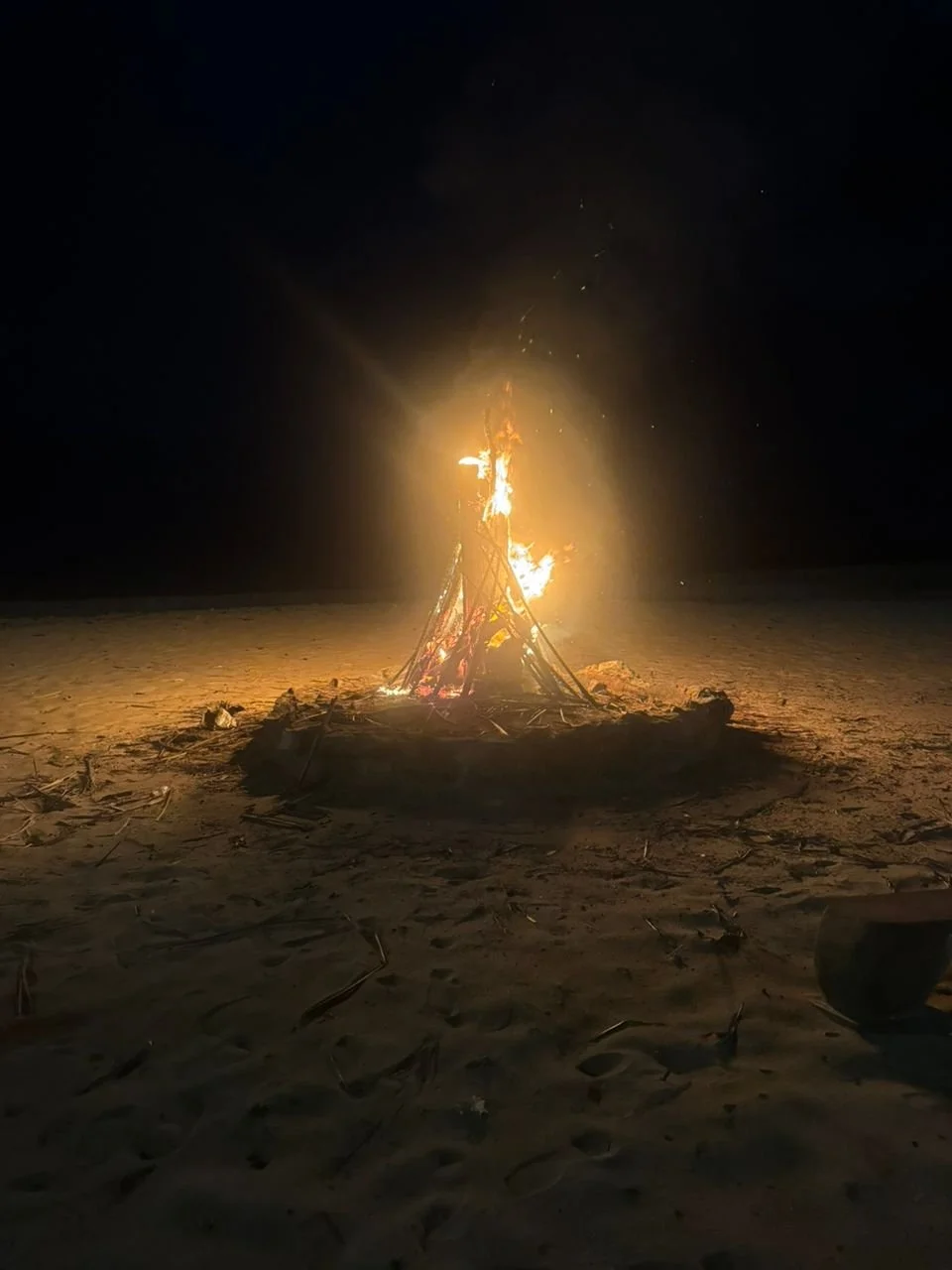
Releasing what doesn’t serve us makes room for what best fuels us!
The setting: Prampram Beach in Eastern Ghana; nighttime; the moon close to full. Those gathered: 18 women leaders from international schools throughout Africa. The moment: a roaring bonfire; scraps of paper containing intentions of what to release: limiting beliefs about their own abilities and the spaces they were allowed to occupy, old stories about their leadership competencies that no longer fit, responsibilities they’d taken on that weren’t theirs to carry in the first place, cultural and societal expectations that narrowed the ways they were expected to lead. Those intention-filled paper scraps were tossed onto the fire. The flames roared.
This was the culminating moment of Sidecar Summit Ghana 2026, where we took Release! as our theme. The Summit was appropriately held in Ghana, where cultural symbols and daily visuals reinforce aspects of this theme. Two that I will hone in on:
— Sankofa, a concept that originates from the Akan people of Ghana, and which is derived from the local Twi expression: ‘Go back and get it.’ Represented by a bird looking back over its shoulder and taking an egg from its back, this image symbolizes the importance of learning from the past to prepare for a better future.
While our theme was release, this didn’t connote letting go of everything from the past, but indeed reinforced holding on to important lessons, moments, and values that continue to serve our leadership, and then being discerning about other elements in our leadership lives that we’ve been carrying, and perhaps no longer need.
— Women carrying bundles. Nearly everywhere one looks in the streets and markets of Ghana, one can’t help but see women, usually dressed in vibrantly colorful attire, walking with great presence and elegance while carrying enormous bundles of ... so many things! on their heads. Bottles of water. Piles of textiles. Tin buckets of plantains and other produce. Firewood. Bags of rice. Prepared foods for sale. Etc. One’s first instinct, like mine, may be absolute admiration. How is it possible for these women to carry such weight, and yet remain erect and nimble as they move through the world? What superpowers they maintain!
And then my next realization: Perhaps these women are really suffering! What physical damage could possibly (and likely) be happening to them? What psychological loads are they also carrying: the weight of their communities’ and families’ reliance on their performance; societal expectations that this is the role for women, and any questioning of that may upset an entire system built around it; their own belief that the suffering they may be enduring is their allotment, and that to complain or admit to pain is tantamount to self-sabotage?
This is the reality of women, and women leaders, everywhere. They carry bundles: responsibilities inherent to their roles – and often beyond them, expectations from their communities/ families/ societies that allow for only a narrow lane of ‘acceptable’ behavior; service-oriented attitudes that keep them focused on their communities often beyond what might reasonably be expected; the emotional labor that comes with managing one’s own emotions while tending to the day-to-day needs of family and community; isolation and loneliness that is inherent to leading in international schools, and which often prevents them from sharing their victories, wonderings and challenges with others who can relate.
Sidecar Counsel and its offerings were created with this last ‘bundle’ especially in mind. Because leadership is lonely – especially for women, because the paths to and frameworks for leading in international schools were created by and for men. This reality matters. Women leaders carrying metaphorical bundles may look competent, graceful and assured. And yet ... there may be deep suffering under the surface that even these bundle-carryers don’t recognize or acknowledge. This is ultimately to the detriment of themselves and the communities they lead.
While this Summit made it explicit through its theme, all Sidecar Summits allow women leaders an opportunity to release those bundles to the ground, even if for a short while. To discern what’s in them and decide what’s worth keeping (Sankofa) and what is ready to be released. To focus on themselves as people in addition to leaders for a few days, and explore ways to maintain their ‘person-ness’ in their leadership. To engage in meaningful and validating conversations with fellow leaders who understand their world. To forge connections that will extend beyond the Summit and continue to serve as ongoing support, which is so reinforcing for bundle-carryers. To consider new ways of leading that reflect their strengths, capacities and passions and allow them to effectively serve their communities while appropriately managing their bundles.
Good news: Two Summits are in the planning stages for the rest of 2026 — one based in the Blue Mountains near Toronto in mid-October, aimed at North American and Latin American leaders, the other back at Quinta Carvalhas, near Lisbon, taking place in the second half of November. For more information on themes, details and registration opportunities, check out this link.
Sidecar Rallies serve some version of this in a virtual format, as Rally groups meet monthly to discuss what’s in their bundles, what can be kept, what released (with discernment). Sidecar Coaching is tailored to individuals, and allows for personalized examination, and sometimes release, of bundle items.
Best, of course, to hear directly from Summiteers about their experience and what impact it may have on their leadership going forward. If you recognize someone in this photo, ask her!
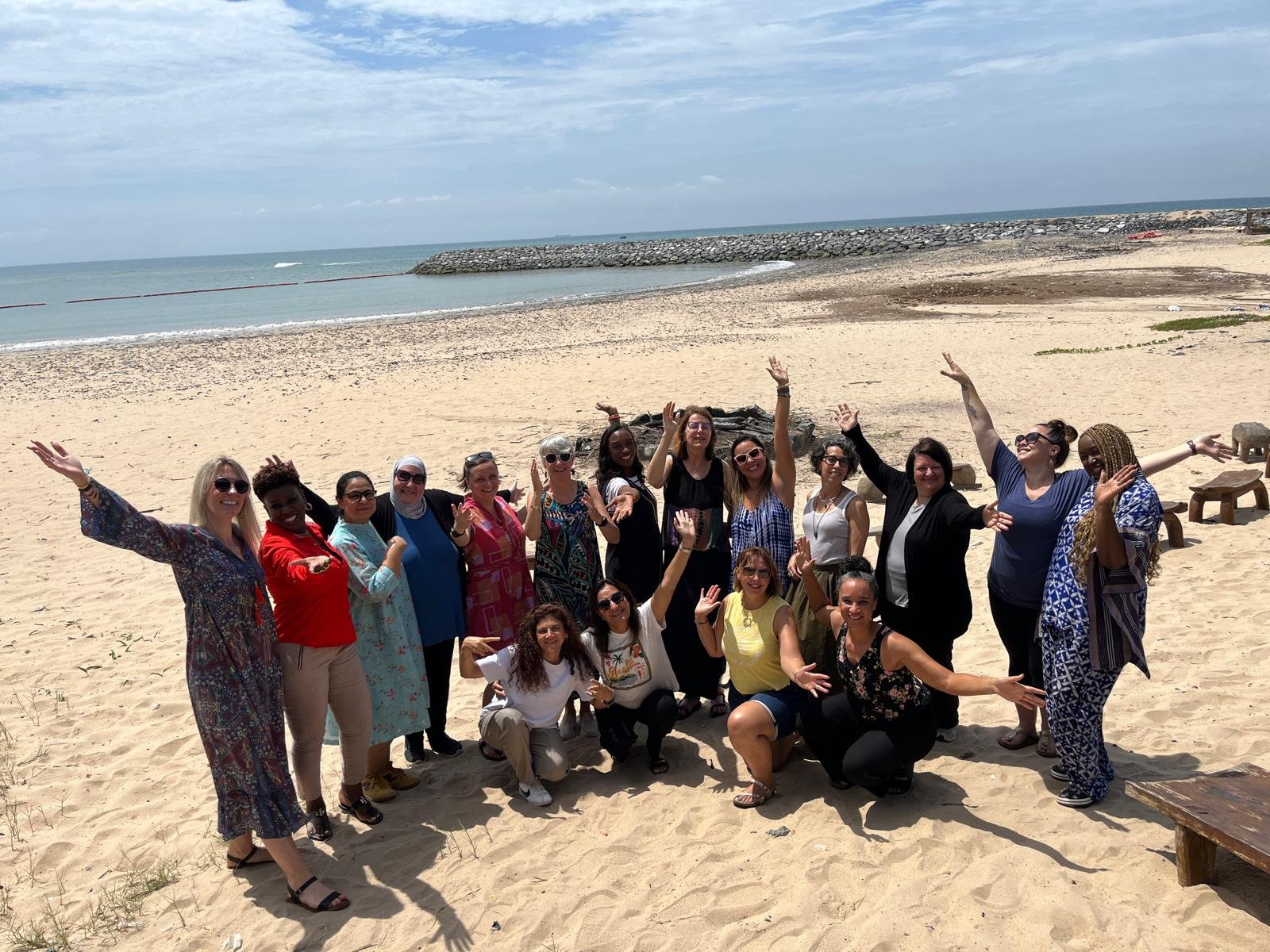
For now, I’ll leave you with one more image related to ‘release.’ That same morning of the near full moon and bonfire, several of us witnessed a poignant moment of release on that Prampram beach: a dozen or so turtle hatchlings who only the night before had been in eggs buried into the sand by their now-bundle-free mother. They had already found their flippers and instinctively knew to head for the surf, which would carry them forth into their new lives. What a memorable moment of release: their mother could no longer do anything for them except (as I imagine) wish them the best, with the knowledge that she’d fulfilled her responsibilities and now it was up to them to carry on. Let’s take a lesson from that mother: not everything is ours to carry. Sometimes the best thing we can do for those in our community is to let go and release them to develop their sea legs and thrive.
Yours in discerning what to keep and what to release,
Bridget
